
The most satisfying choices in an adult visual novel make the eventual sex feel specific to the people involved. Flirting boldly, holding back or staying faithful can give an attraction a different tension. Exploring another relationship should reveal a side of a character the first route never showed.
More endings and a bigger gallery do not guarantee that pleasure. A decision can develop a romance or quietly remove its sex scenes. The appeal lies in understanding what you are risking and wanting to follow the result. When an innocent-looking reply closes an encounter without explanation, desire gives way to guesswork.
Choices can change the life around the romance
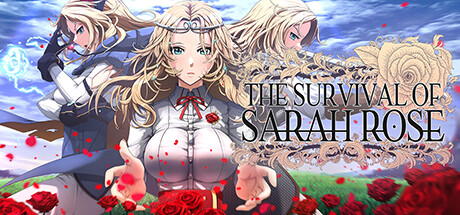
The Survival of Sarah Rose shows how choices can reshape a heroine's life: ruler, mercenary, mage or survivor. Her lovers belong to those changing circumstances, although some routes remain unfinished. A change in tone can matter even when the wider plot reaches the same event. A flirtation feels different when the character responds to the particular person you have been playing. Those smaller reactions can carry a decision forward, giving the flirting, the sex and the next conversation a sense of continuity.
In Being a DIK’s first season, the DIK/CHICK system lets the protagonist develop different attitudes. Those decisions affect dialogue and how compatible he is with different women. The college-party setting gives casual sex and slower romance room to coexist, so you are choosing an approach to the cast as well as opportunities with them.
Hidden approval makes that continuity harder to read. When a desired encounter depends on requirements you cannot see, rejection can feel like a failed exam. A strong choice system makes a character’s values clear enough that you can understand your decision, even if you cannot predict every consequence. Wanting to please her should involve more than guessing which answer earns the points.
A chosen partner gives a shared story its intimacy
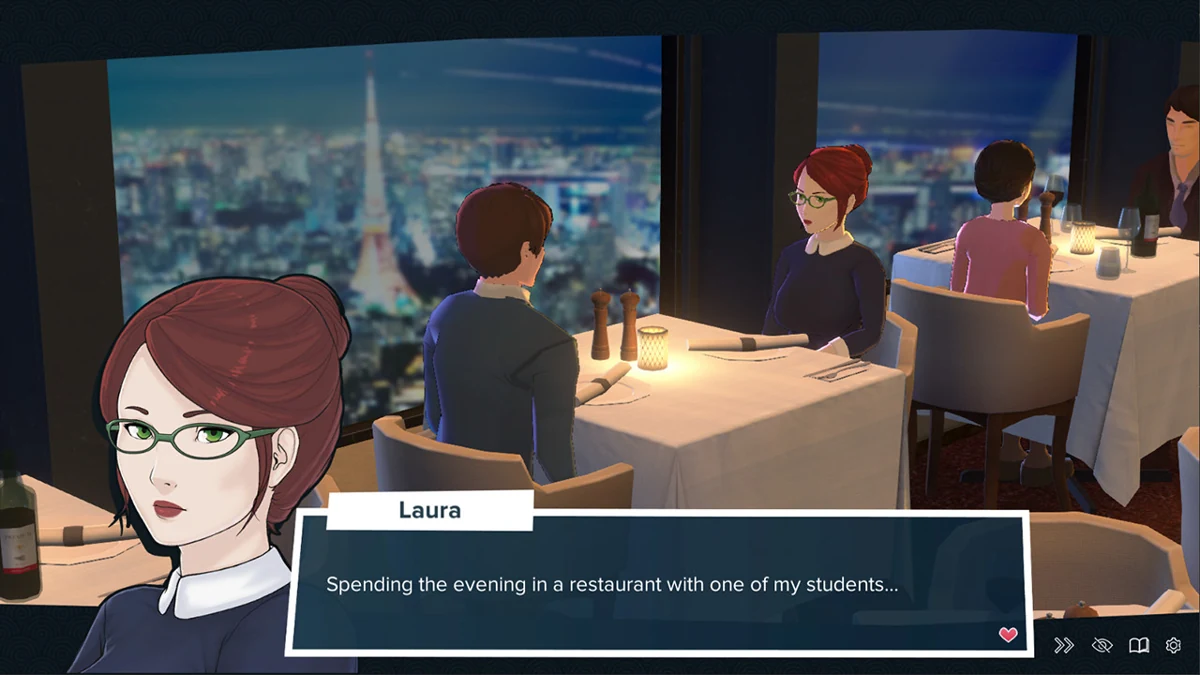
Quickie: A Love Hotel Story offers several love stories within a largely linear framework and ultimately asks you to choose one partner. Its hand-painted scenes and romantic emphasis make attachment part of the attraction. That final choice also places a clear limit on the fantasy: pursuing several women along the way does not lead to a harem ending. Completing one satisfying relationship can be enough; seeing every possible scene is a separate project.
Leap of Faith builds its romances around a shared story. Choosing a partner gives that larger drama a personal strand, while the other characters remain involved. Intimacy benefits from belonging to a circle of friends, histories and attachments: the woman you pursue has a life beyond delivering your next sex scene.
The trade-off arrives on replay. Much of the central story returns, and romance strands receive unequal attention. A second run earns that time when it adds enough conversation, tension and relationship-specific intimacy to make another partner worth pursuing. A changed ending cannot do all that work on its own.
Sexual preferences should have a place in the story
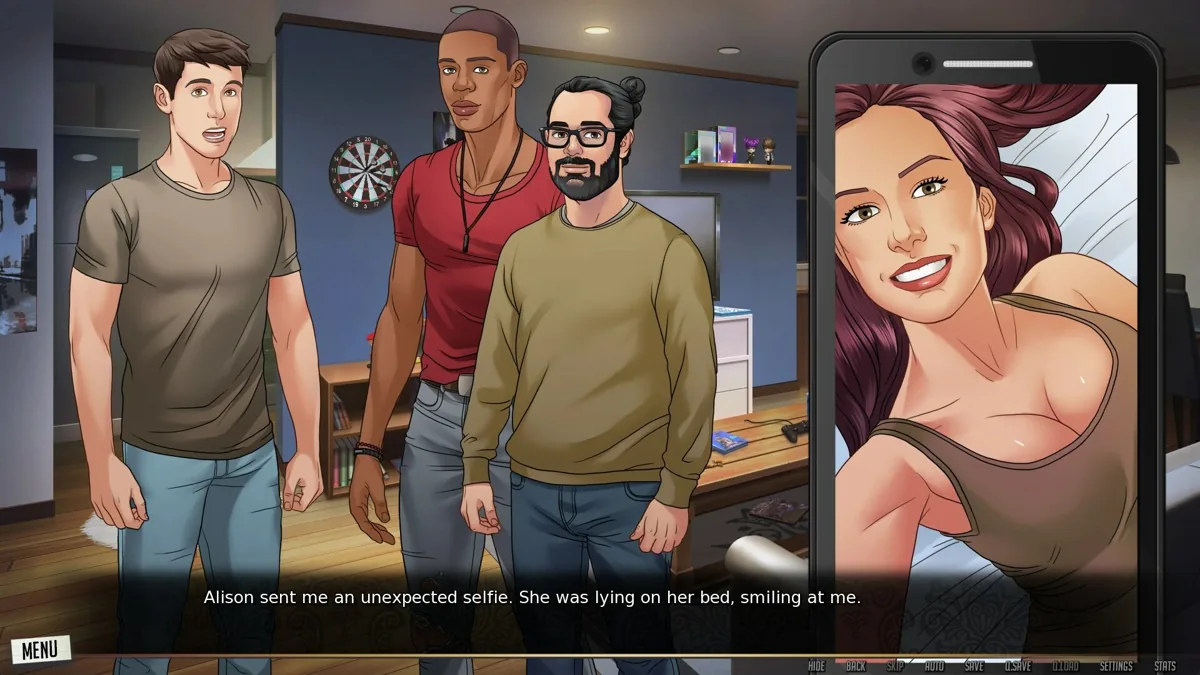
Our Red String makes desire part of a wider life through dual protagonists, persistent attributes, money and willpower. Its advertised themes include cheating, exhibitionism and BDSM alongside romance. These offer different emotional stakes and appeal to different sexual tastes; they deserve more distinction than a row of boxes beneath an adult-content label.
Choosing exclusivity, risking an affair or pursuing a more complicated relationship should affect trust and later behaviour. A game can explore a sexual preference without delivering a sermon, and let you refuse an encounter without emptying the rest of the route. A useful branch gives desire a context and makes the people respond.
Chasing every scene becomes a poor bargain when it means accepting themes you do not enjoy. A daring branch also disappoints if it changes the pictures while leaving the people untouched. Our Red String remains in development, so its branching ambition should be weighed against the relationship conclusions still to come.
A missed scene should leave a consequence

Romances can end, trust can break and a character can reject the protagonist. Those consequences make sense when the story acknowledges them and offers an interesting path forward. They become frustrating when a harmless-looking answer simply deletes an encounter and the remaining story proceeds as though nothing happened.
A smaller gallery can be a consequence of a deliberate commitment. It becomes a design problem when the game rewards mechanically correct answers while making freely chosen ones look like mistakes. Under those conditions a walkthrough becomes more attractive than paying attention to the cast. An alternate relationship or perspective gives you a better reason to return.
Separate saves can take some pressure off a spontaneous first read. Follow your preferred replies, then use a guide later for a particular route or a missed encounter. You owe the game neither a perfect score nor attraction to every character; completing the gallery is a different pleasure from enjoying a romance.
Chemistry lives between the choice menus, too

An expression, a pause or a carefully staged touch can make desire legible before anyone gets naked. Once sex begins, a novel may offer dialogue and preferences or let the scene unfold without further input. Extra buttons only help when they suit the people and the mood; a passive scene can still reward an active choice.
Leap of Faith’s phone makes contact between scenes part of courtship. Messages and other interactions open opportunities that simply advancing dialogue can miss. That gives attention a romantic purpose, although an unclear window for checking the phone can make attentiveness feel like a timing test.
A second route should make you curious about another person, another kind of intimacy or a consequence you have not seen. Its erotic payoff should feel particular to that relationship. When another partner brings the same flirtation and the same familiar animation, the gallery grows but the story gives you little reason to reread it.
Questions and answers
What makes a romantic choice meaningful?
It changes a relationship, the protagonist’s approach or the consequences you want to follow. A branch that develops another dynamic offers more to read than a menu that simply removes a sex scene.
Does Being a DIK’s personality system affect attraction?
Yes. In the first season, DIK/CHICK choices influence dialogue and compatibility with different women. Hidden approval requirements can also make reaching a desired encounter frustrating.
Does choosing a different ending guarantee a fresh second run?
No. Leap of Faith’s romances share much of the central story and vary in depth. New conversation and relationship-specific intimacy are stronger reasons to replay than an ending count alone.
When is a walkthrough useful?
Keep separate saves and follow your preferred replies on a first read. A guide can help later with a missed encounter or a particular route, especially when invisible requirements obstruct the relationship you wanted to pursue.
Is Our Red String’s story finished?
No. It remains in development. Its dual protagonists, persistent attributes and varied sexual themes give it branching scope, but the story does not yet offer complete closure.
Sources & further reading +
- Being a DIK Season 1: official choice and character-preference description ↗
- Dagon Dogs: personality, dialogue, and presentation criticism ↗
- Leap of Faith: official phone interaction description ↗
- r/vns: detailed Leap of Faith account of shared story and romance strands ↗
- Our Red String: official mechanics, themes, and development status ↗
- Quickie: official relationship and scene description ↗
Last checked 5 October 2026.