
This review is a research-based synthesis of 12 published sources, last checked 6 October 2026. We have not played the game ourselves; the scores express our editorial judgment. How we score games
Kannagi Usagi makes the boss fight the whole game. Choose an opponent, learn the attacks and work toward a cleaner victory. Revealing costumes supply the fanservice, but there is no seduction system or sex scene waiting behind a successful duel.
The pleasure is in the turnaround: a boss that seemed impossible becomes manageable as deflections line up and dangerous attacks get the right response. When the cues are muddy, another attempt can feel like homework.
The costumes are the whole sexual offering
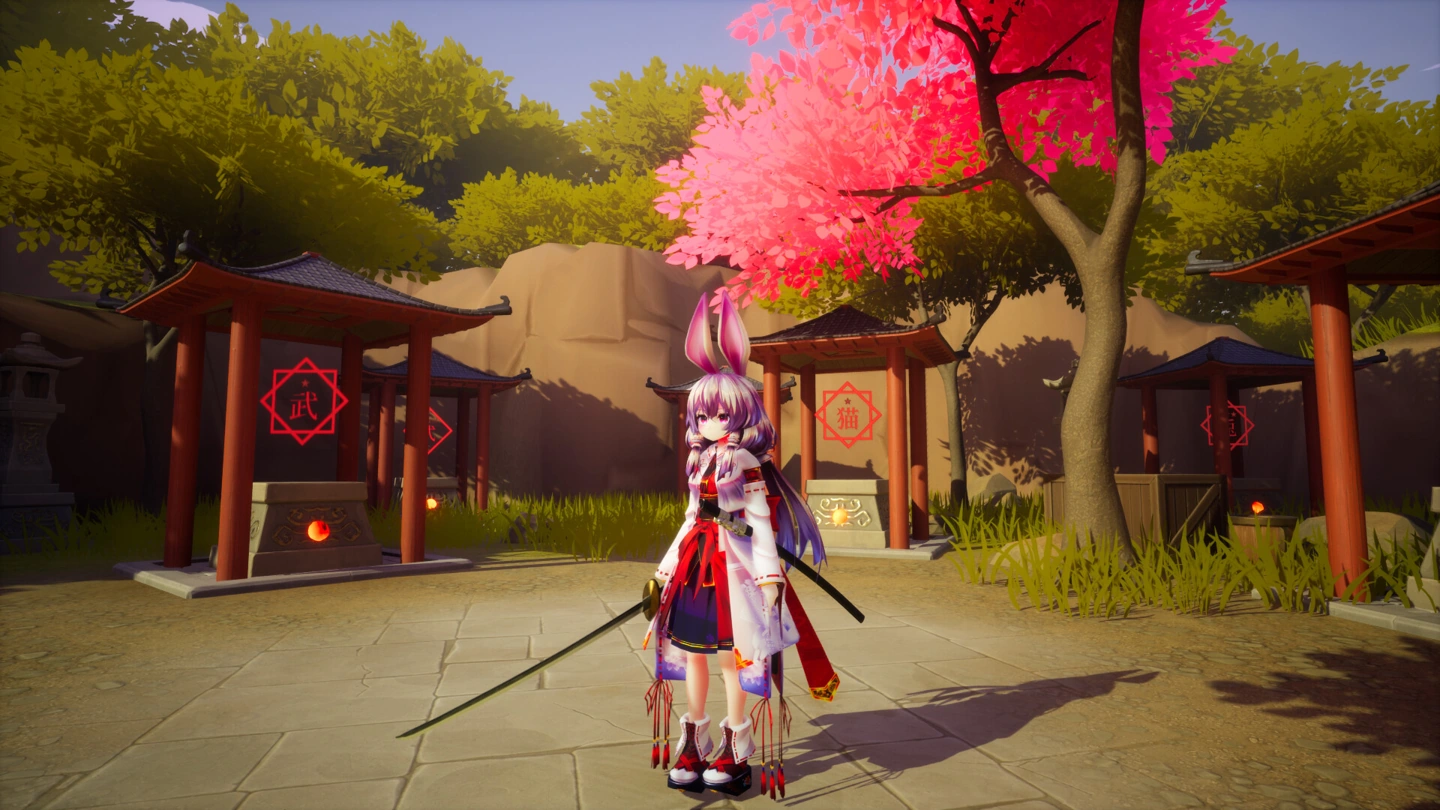
The mature-content notice lists revealing costumes and underwear. There is no erotic scene gallery, nudity progression or romantic route that turns an opponent into an intimate partner. Combat is how these characters meet, and combat is where the relationship ends.
Character appeal rests on the anime presentation and each opponent's fighting style. Replaying a duel does not build attachment through dialogue or choices, leaving little chemistry beyond the designs themselves.
The costumes cannot carry repeated attempts on their own. The sword exchanges have to earn the time, because there is no late-game sexual payoff to justify enduring fights you dislike.
Break the guard, then finish the duel
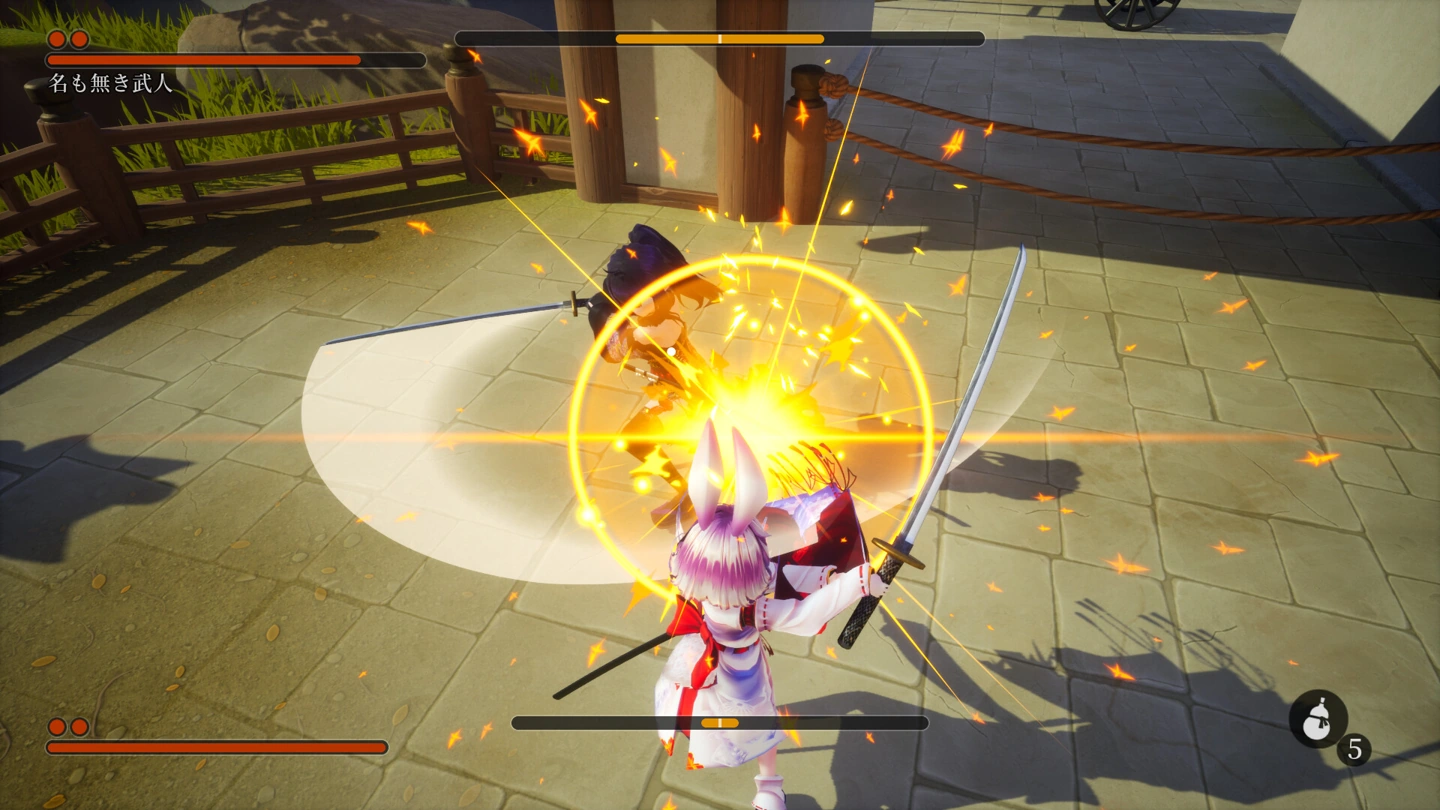
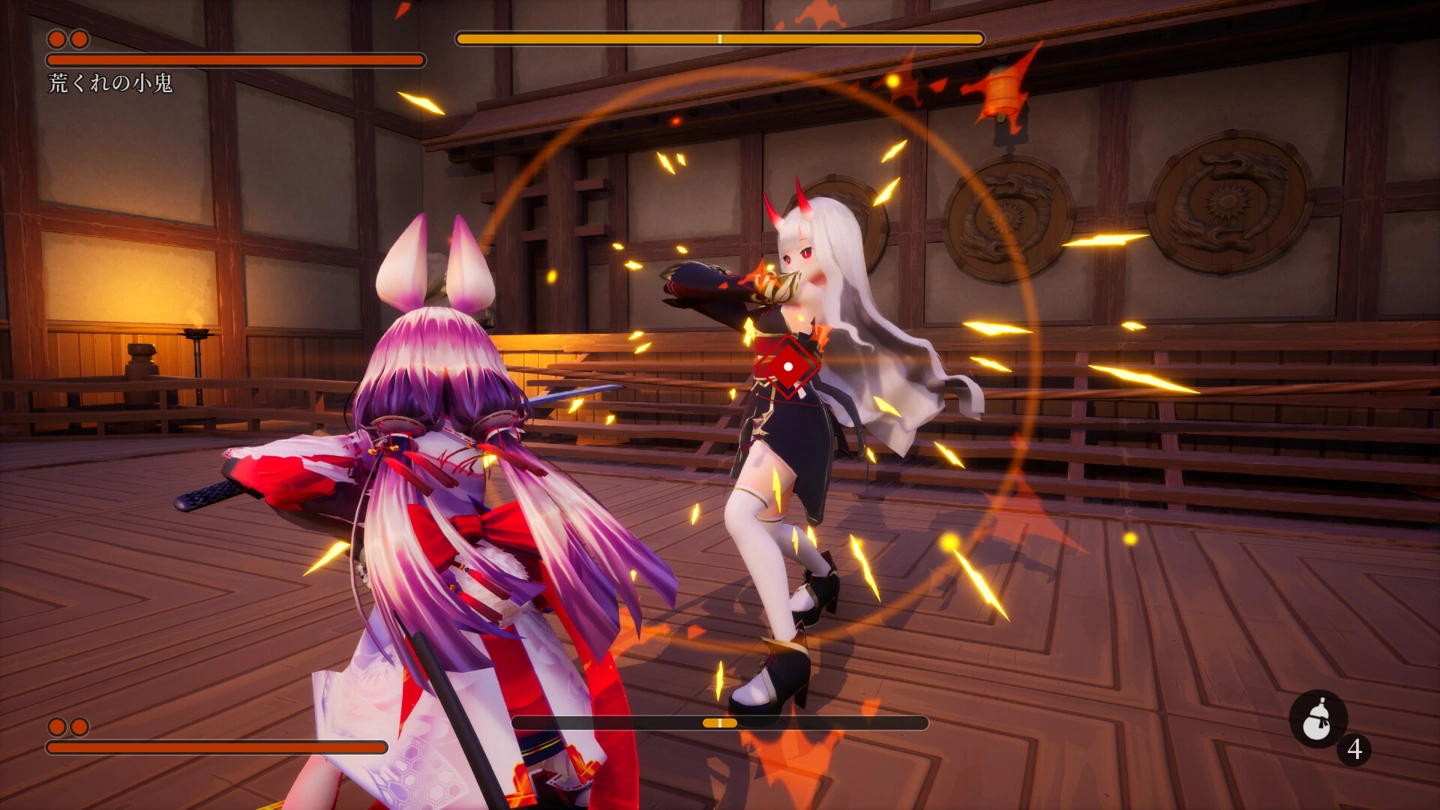
Kannagi Usagi borrows Sekiro's central idea: both attacking and defending help break an opponent's posture. Striking their guard keeps up the pressure, while well-timed deflections undermine their stance. A posture break opens the way for a heavy Special Strike. Chipping away at health alone misses the rhythm.
Dangerous thrusts and sweeps call for the appropriate counter or jump, and a hurried response can leave your own posture vulnerable. Deciding whether to keep attacking or prepare for the reply gives the limited moveset some tactical life. Repeatedly pressing block will only get you so far.
Select a boss and face them, with no world to cross or lesser enemies to clear first. A recovery opportunity after a knockdown gives the duel another chance. Attempts follow quickly, keeping the timing fresh.
Progress comes from learning the bosses
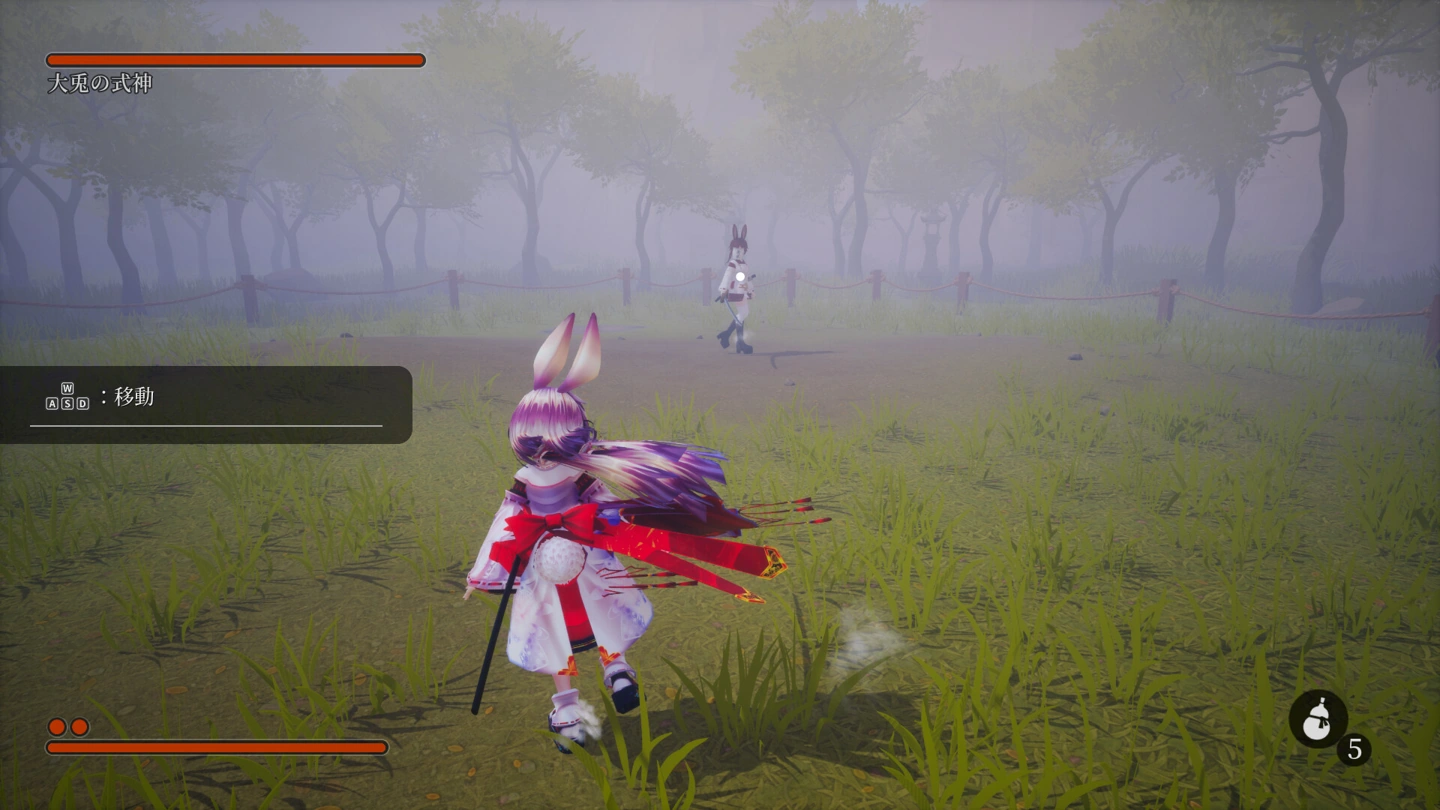
The released base has eight stages, with bosses available in any order. Switching opponents offers relief when a pattern refuses to click. Better stage rankings give cleared fights a reason to be revisited, without an expanding cast, equipment collection or erotic collectibles to chase.
The kit stays largely fixed, with no experience-point build to raise damage and health or broad choice of tools to replace the required response. Attack, deflection, movement, counters and healing keep carrying the game. A cleaner victory makes your improvement easy to see.
That consistency also limits expression. Learning a demanding sequence can be satisfying; rehearsing the exact response expected of you can feel like obedience. Later fights sharpen this distinction. With few ways around its demands, disliking the rhythm is a good reason to stop.
Attack cues can undermine the precision
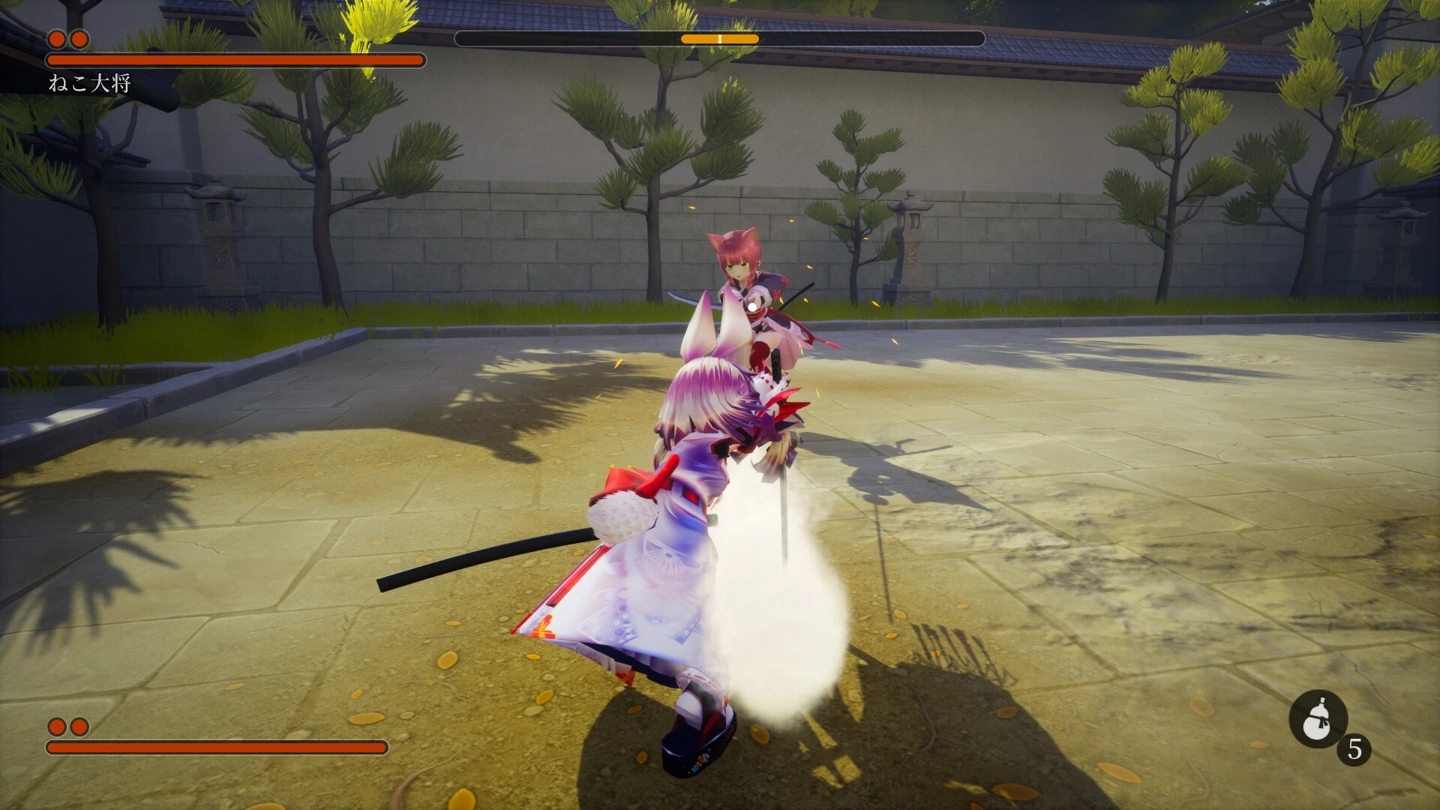
Similar-looking thrust and slash preparations can demand different answers, and the guard can feel a beat late. A missed deflection is particularly irritating when the animation seemed to invite the wrong response. Learning then becomes memorization before it becomes a fluent duel.
An ill-timed action can leave the character exposed throughout its recovery, while some camera positions obscure the exchange. Stylized models and sword impacts give the fights personality, but they also have to communicate danger. An attractive opponent is little consolation for a confusing hit.
Version 1.1.0 changed motions for Nameless Warrior and Puppet Maiden; 1.1.1 adjusted hit detection at low frame rates. Those corrections are part of the assessed game, but timing and readability remain its weakest points. The best exchanges feel decisive. The awkward ones make a small challenge feel needlessly stubborn.
A fair free offer with a cost in patience
As of October 2026, the Steam Windows base was free, with no paid DLC or adult-restoration purchase listed. Its eight fights are the released game; a hoped-for sequel or expansion contributes nothing to the value of what is available.
The developer's 10–20-minute description fits a clear after learning the fights. Unfamiliar patterns, failed attempts and ranking goals can take substantially longer. Practice adds time, though it does little to satisfy someone looking for a longer campaign or narrative development.
Steam lists partial controller support and Japanese language support. English menus and instructions are present, while Japanese attack-warning characters remain. The text barrier is smaller than the language table suggests, but this is still a limited localization.
Free access makes trying the game easy. Persisting is another matter. Mastering the bosses and earning your desired rankings exhausts much of the reason to return. The small scope works as long as the fighting remains rewarding.
Verdict
Kannagi Usagi is worth trying for its focused sword duels. Pressure, deflection and counters can turn a difficult exchange into a satisfying posture break, with no exploration delaying the next fight. Eight bosses and ranking goals give that loop a sensible scope. Ambiguous attack cues, awkward timing and a fixed moveset make its demands harder to enjoy consistently. Costume fanservice is a meagre adult offering, with no sex, intimacy or erotic progression to reward the effort. That makes it a poor pick for an erotic payoff.
What works
- +Concentrated duels reward pressure, deflections and the right counters.
- +Any-order bosses and better rankings give practice a clear purpose.
- +The full eight-stage Windows base is free, with no listed paid content gate.
Drawbacks
- −Costume fanservice offers no sex scenes, romance or adult unlocks.
- −Unclear attack cues, fixed skills and awkward recovery can make practice frustrating.
Questions before you play
Does Kannagi Usagi contain sex scenes or nudity rewards?
No. Its fanservice consists of revealing costumes and underwear, with no sex scenes, nudity progression or romantic development to unlock. The mature-content notice also covers drink-like healing imagery and sword violence.
Is Kannagi Usagi free, or do later bosses require DLC?
As of October 2026, the released Steam Windows base was free and included eight stages. No paid DLC or separate adult-restoration purchase was listed. A hoped-for sequel, longer campaign or extra reward art is outside that offer.
How does the posture combat work?
Attack pressure and well-timed deflections undermine an opponent's stance, creating an opening for a heavy Special Strike. Dangerous thrusts and sweeps call for the right counter or jump. Relying on ordinary blocking and chip damage alone misses much of the system's appeal.
Can I choose bosses, improve stats or replay for rankings?
Bosses can be challenged in any order, and better stage rankings give cleared fights a replay goal. The kit stays largely fixed, without an experience-point build adding health, damage or a broad skill tree. Improvement comes mainly from learning the opponents and responding more cleanly.
Is English usable, and does the game support controllers?
English menus and instructions are present despite the Steam language table listing only Japanese; attack-warning characters remain in Japanese. Steam advertises partial controller support. Full localization, identical button mappings and trouble-free support for every device are not established.
How long does a clear take, and what did the updates change?
The developer describes eight stages that can be cleared in 10–20 minutes after learning the fights. Unfamiliar patterns and repeated failures can take much longer, so this is a poor estimate for a first playthrough. Version 1.1.0 changed motions for Nameless Warrior and Puppet Maiden; 1.1.1 adjusted hit detection at low frame rates and made minor corrections.
This review is based on published sources. Its scores express our editorial judgment. How we score games
Sources & further reading +
- Steam — current free Windows base, eight stages and mature-content description ↗
- Tonoji — delivered boss-motion and low-frame-rate hit-detection changes ↗
- AUTOMATON WEST — complete combat coverage and reported developer statement that there are no erotic scenes ↗
- Famitsu — complete release coverage distinguishing costumes from explicit sexual content ↗
- Otakuman0901 — complete qualified January 2024 combat, input-delay and camera critique ↗
- Steam player — November 2025 qualified praise of boss progression and criticism of the fixed kit ↗
- Bearsonal — February 2026 favorable S-rank, controls and boss-rush account ↗
- Steam player — November 2025 sexual-content boundary, English text and keyboard-control account ↗
- Steam player — September 2026 English-text and untranslated attack-warning account ↗
- Steam player — March 2026 opposed account of parry response and ambiguous attack preparations ↗
- Steam player — July 2026 opposed account of rote solutions and limited expression ↗
- Steam player — August 2026 opposed account of timing, posture rewards and repeated dangerous attacks ↗
Last checked 6 October 2026.